Salon Business
How to Start a Beauty Salon
A practical planning sequence for connecting salon services, rooms, equipment, utilities, quotations and opening deadlines.

Define the salon concept through services
A salon concept becomes actionable when it identifies who will be served, which services will open first and how each appointment works. Write the initial service menu with expected duration, client position, operator role and supporting tools. Separate confirmed launch services from later ideas so the first equipment order supports the real operating plan.
Estimate simultaneous appointments and the busiest realistic period rather than maximum theoretical capacity. This helps determine how many treatment rooms, wash positions or pedicure stations are useful. It also reveals where shared equipment could create delays and where a dedicated room is commercially justified.
Test the location before choosing furniture
Measure usable rooms, doors, corridors, stairs, lifts and receiving access. Map client circulation, staff movement, storage, cleaning and waiting. Review the site's power, water, drainage, ventilation and lighting with local qualified professionals. Furniture decisions should follow these facts rather than force the site to match a catalog image.
Keep local licensing, accessibility, safety and construction requirements in a separate compliance checklist. Requirements vary by jurisdiction and service, so a supplier article cannot replace local professional advice. Close location risks before approving products that depend on specific utilities, clearances or installation work.
Create a room-by-room equipment plan
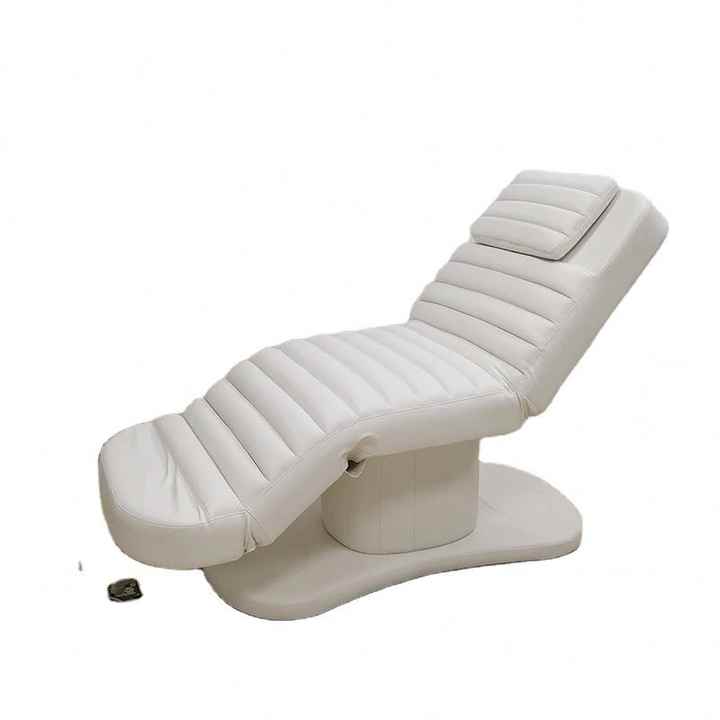
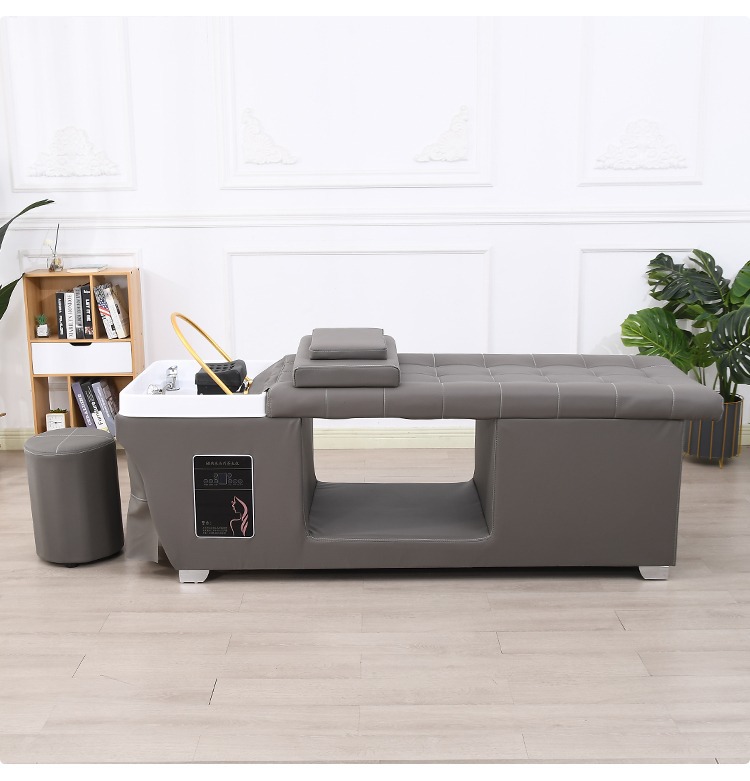
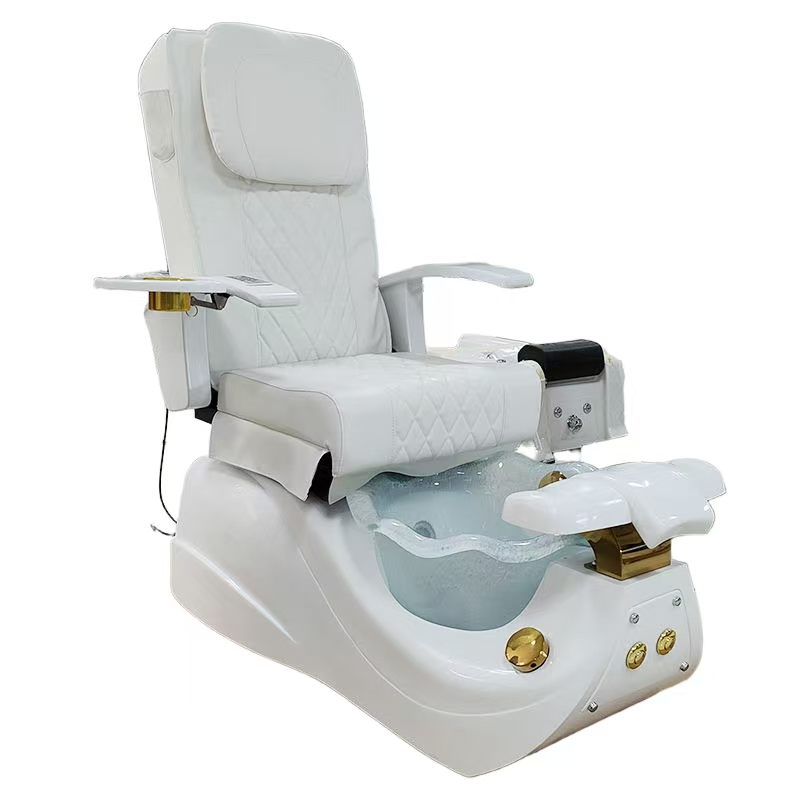
Assign every opening service to a room or station. Beauty Beds can support selected treatment workflows, Shampoo Beds can support salon washing or head-spa areas, and Pedicure Spa Chairs can support nail and foot-care services. The correct family depends on the service sequence and room, while the exact model requires separate confirmation.
Add operator stools, trolleys, cabinets, lighting, devices, linen and waste handling to the same room schedule. Check working clearance and storage with all items shown. This creates a more realistic plan than choosing the main furniture first and trying to fit daily operating equipment around it later.
Set a budget around complete project scope
Divide the budget into opening-critical furniture, supporting equipment, site work, customization, freight, destination handling and contingency. Compare alternatives by service capacity and verified fit, not by product count. A lower unit price may not reduce total cost if it creates layout changes, unclear packing or unsuitable configuration.
Request quotations that identify SKU, configuration, quantity, included items, customization, production schedule, packing and delivery terms. Keep estimates and confirmed values distinct. For international sourcing, packed size, gross weight and final trade scope can affect the project budget, but these must be obtained for the exact models rather than assumed.
Approve product evidence before construction and ordering
Maintain one record per shortlisted SKU with current images, confirmed specifications, missing fields, intended room and evidence date. Do not use another model's dimensions, motor information, utility requirements, accessories, warranty or certificate. Similar appearance is not proof of shared technical facts.
Define approval gates. Room fit and site requirements should be confirmed before construction depends on the product. Configuration, finish and included items should be confirmed before the purchase authorization. Packing and delivery information should be confirmed before logistics booking. Visible pending items protect the project better than unsupported completeness.
Build a realistic procurement timeline
Work backward from the opening date and include product selection, evidence collection, customization approval, quotation, production, packing, transport, destination delivery, setup and staff training. Leave decision time for unresolved specifications and site review. Do not treat a general lead-time statement as a complete opening schedule.
Identify which products are essential for opening and which can arrive later without stopping service. For phased deliveries, keep quantities and destination dates explicit. Assign one owner for supplier communication and one owner for local site coordination so product questions, construction decisions and delivery updates do not become disconnected.
Run a pre-opening operational check
Before opening, walk through booking, client arrival, preparation, service, cleaning, payment and room reset. Confirm that furniture placement, storage and staff movement support each step. Record product identity, included items and visible condition when deliveries arrive, and keep issue evidence linked to the approved order.
Use the first operating period to observe room bottlenecks, service duration, staff access and maintenance questions before expanding capacity. Send YIO the service plan, room dimensions, preferred product families, quantities, destination and opening schedule for a model-specific comparison. Starting well means connecting brand ideas to verified operating and purchasing decisions.
Assign ownership for the remaining opening items and keep a short exception list for anything delivered, installed or confirmed later than planned. Review that list before accepting additional bookings or adding services. A controlled opening protects the customer experience and creates better evidence for the salon's next purchasing decision.
FAQ
What is the first equipment step when starting a beauty salon?
Define the opening service menu and appointment workflow, then convert it into room, capacity and equipment requirements.
Should furniture be chosen before signing a salon location?
Product research can begin early, but final model and quantity decisions should use verified site dimensions, utilities, access and local requirements.
How should a salon equipment budget be organized?
Separate opening-critical furniture, supporting items, site work, customization, packing, freight, destination handling and contingency.
What information should YIO receive for a new salon project?
Provide services, rooms, product references, quantities, destination, opening date, finish requirements and unresolved site or specification questions.