Buying Guides
Beauty Bed Buying Guide
A procurement-focused guide for salons, distributors and projects comparing beauty beds with evidence instead of unsupported category assumptions.

Define the commercial buying case
A single treatment-room purchase, a multi-room salon opening, a distributor sample and a commercial project are different buying cases. Record the buyer type, intended services, quantity, destination, opening date and decision process. This determines how much product evidence, customization control, packing information and repeat-order stability the purchase requires.
A salon may prioritize workflow and room fit, while a distributor also needs stable model identity, reusable specifications and marketing assets. A project buyer may need coordinated finishes and delivery milestones. State the purchase logic at the beginning so that models are evaluated on the requirements of the order instead of on a generic list of popular features.
Create a model-level evidence record
For every shortlisted beauty bed, record the SKU, current images, product title, visible structure, confirmed specifications, unresolved fields and source date. Keep model facts separate from product-family descriptions and company policies. A feature found on one beauty bed does not prove that it exists on another model, even when the photographs look similar.
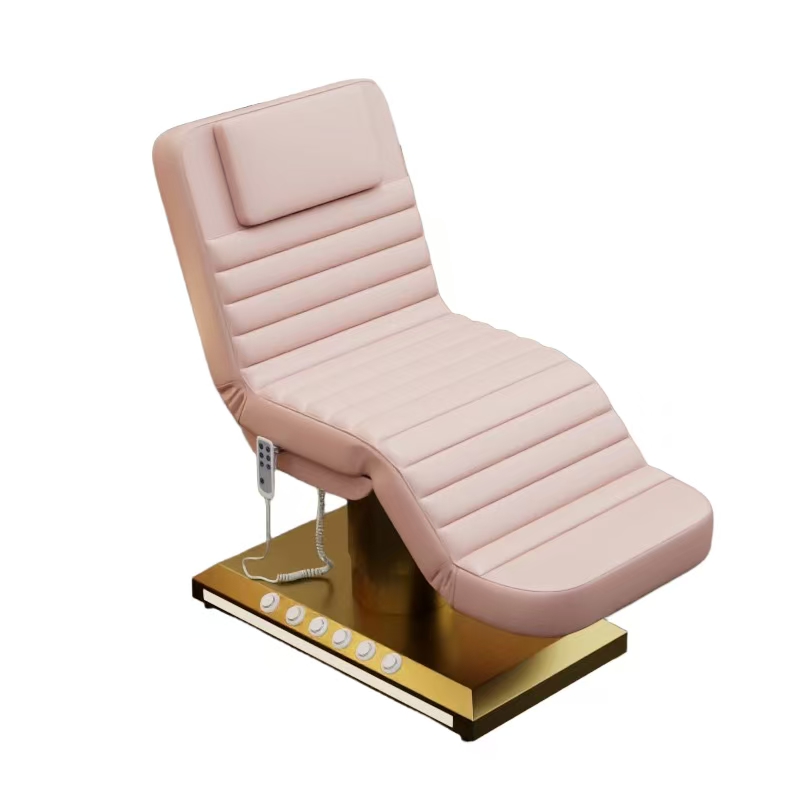
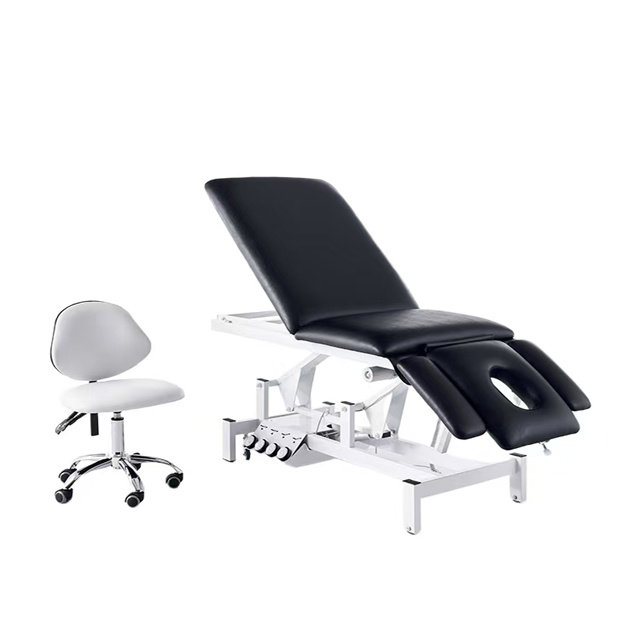
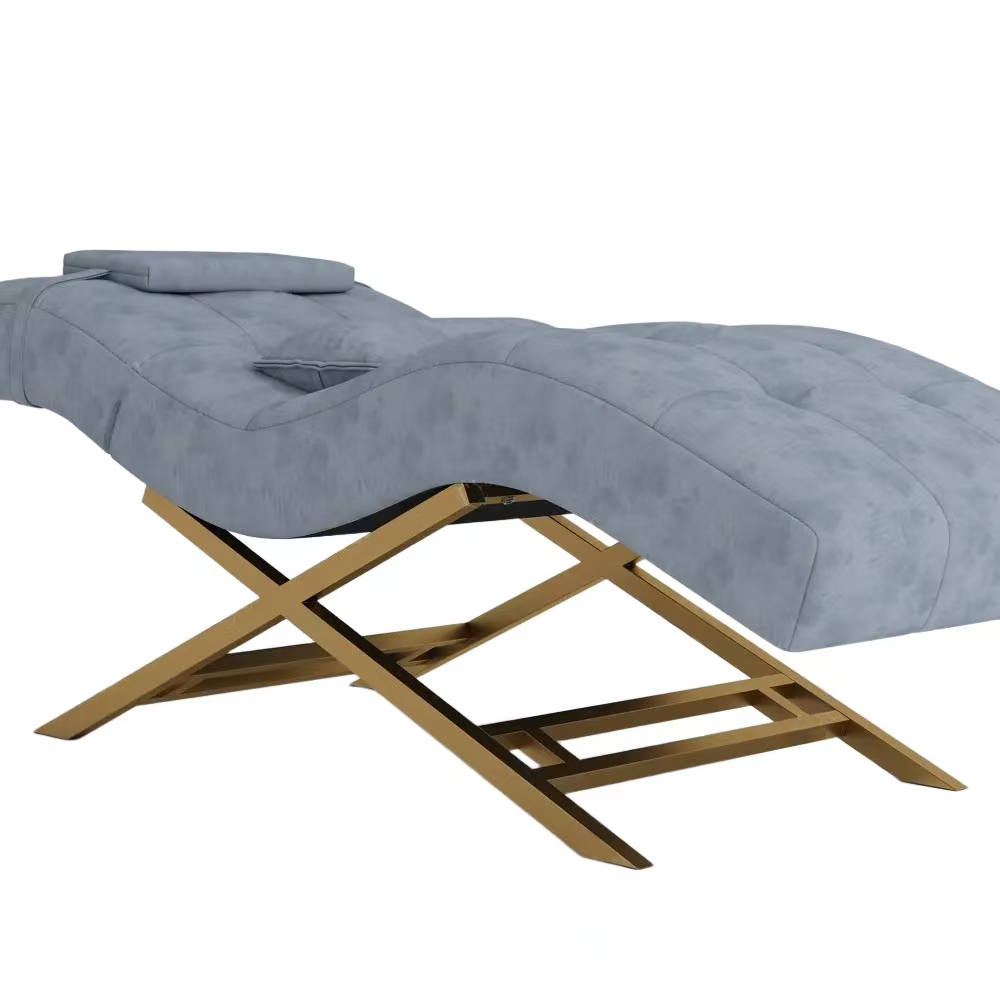
Current YIO pages provide 29 Beauty Bed SKUs for shortlisting, but many measurements and weights remain pending. Use the Website as a selection interface, then request current model-specific evidence for the commercial decision. The honest status of a missing field is more useful than an assumed number that later affects room layout or freight.
Match the bed to treatments and operating frequency
List the treatment positions, appointment duration, daily client volume and frequency of adjustment. Review how clients enter the bed, where the technician works, and whether the service needs access around the head, sides or lower body. The correct commercial model is the one that supports the repeated workflow without creating avoidable room or operator constraints.
If an electric configuration is being considered, confirm the included mechanism, controls and moving sections for that SKU. If a manual model is shortlisted, confirm how positions are changed and secured. Do not treat labels such as electric, adjustable or luxury as complete evidence. Translate every important requirement into a question that can be answered against the exact model.
Compare the complete quotation, not only unit price
Ask each quotation to identify the SKU, configuration, quantity, included items, color, customization, unit price, packing, production time, trade term and delivery scope. Prices are not directly comparable when one offer excludes packing or uses a different configuration. Mark every unresolved technical item before deciding which quotation is lower risk.
Freight depends on model-specific packed size, weight, package count and destination. When these values are not confirmed, any shipping estimate should be labeled preliminary. Salon furniture is bulky, so the difference between product dimensions and packed dimensions matters. Final freight approval should refer to the same SKU and configuration as the product quotation.
Control color, branding and project customization
Provide a written customization brief with color reference, branding artwork, application position and any matching-furniture requirement. Ask which requests are available for the chosen SKU and quantity. An OEM or private-label statement describes a service possibility; it does not confirm that every change is available on every beauty bed.
Use dated approvals for the final appearance and configuration. If a matching stool, cushion or accessory is shown in an image, confirm whether it is included. Record changes that affect price, production time or packing. This creates a usable order record for the first purchase and reduces confusion when the salon or distributor places a repeat order.
Review quality evidence and after-sales responsibility
Agree on the evidence required before shipment, such as current product images, configuration confirmation and packing review. The depth of inspection should reflect order value, customization and business risk. Quality language should describe an actual review process rather than promise unsupported performance for an entire category.
Warranty, spare parts and issue handling must be confirmed for the selected products and order terms. Ask who receives a claim, which evidence is required and what support is available for the configuration. Keep these answers with the order. A generic warranty statement should not replace model-specific commercial confirmation.
Use a final purchase approval checklist
Before approval, reconcile the quotation, product record, images, customization, packing and delivery instructions. Verify that all documents use the same SKU and quantity. Check destination access, installation needs, local electrical review where relevant and the deadline for the salon opening or project handover.
Send YIO a structured request containing buyer type, treatment use, preferred models, quantities, destination and unanswered questions. This allows product matching and quotation review to focus on commercial fit and verifiable facts. A controlled shortlist of well-documented models is more valuable than a large catalog comparison with unresolved identity and configuration.
FAQ
What makes a beauty bed suitable for commercial use?
Commercial suitability depends on treatment fit, operator workflow, room compatibility, verified configuration, cleaning routine and a supportable purchasing record for the exact model.
How should beauty bed quotations be compared?
Compare the same SKU, configuration, quantity, included items, packing, production time, trade term and delivery scope. Mark missing facts before comparing price.
Are packed dimensions the same as product dimensions?
No. Product dimensions support room planning, while packed dimensions and gross weight support freight planning. Request both for the selected SKU.
Can a distributor reuse one specification for similar beauty beds?
No. Maintain a model-level record because configuration, dimensions, materials, packing and included items can differ between similar-looking SKUs.