Buying Guides
Commercial Salon Furniture Guide
A multi-unit procurement framework for controlling models, evidence, finishes, quotations, logistics and repeat orders across commercial projects.

Define the commercial purchase logic
A chain rollout, distributor range, hotel spa, contractor package and multi-room salon project use different approval logic. State who will use or resell the products, the number of locations, target market, quantity range, delivery sequence and repeat-order expectation. This determines whether the priority is room fit, standardized appearance, catalog stability, phased delivery or resale documentation.
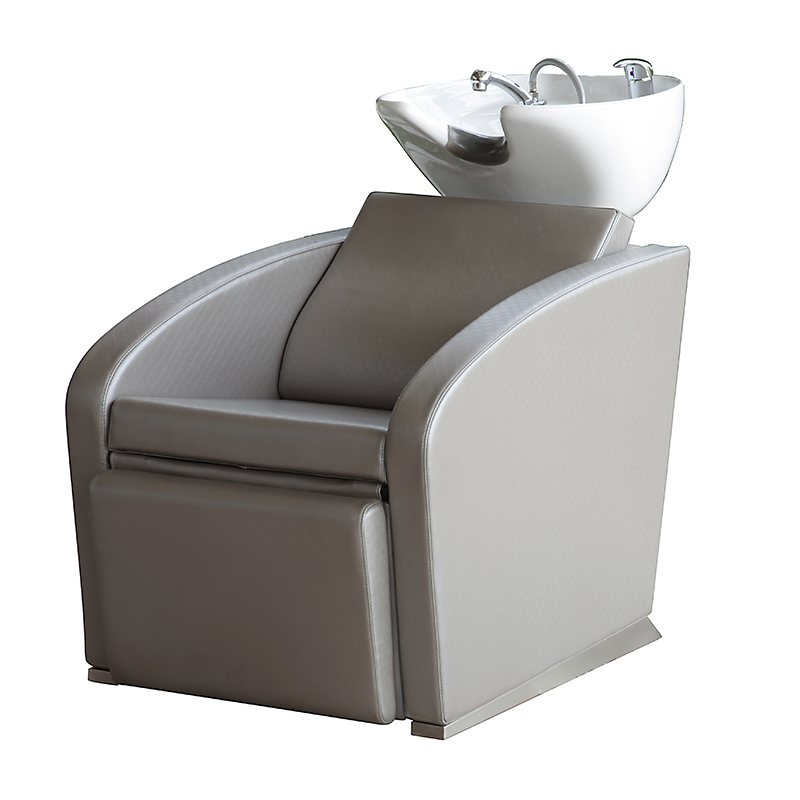
Keep one product family and purchasing purpose attached to each decision line. A broad commercial project can contain Beauty Beds, Shampoo Beds and Pedicure Spa Chairs, but the technical approval for each family remains separate. A consolidated commercial schedule should coordinate the project without erasing model-level differences.
Build a controlled SKU specification schedule
Create one record for every model with SKU, current images, confirmed specifications, missing fields, configuration, finish, quantity and evidence source. Use revision dates and require changes to be approved. Similar appearance is not a reason to merge records or reuse dimensions, electrical information, plumbing requirements, accessories, warranty or certification.
The YIO Website offers 101 enabled models across three families for shortlisting, while many technical fields remain pending. Commercial buyers should request current evidence for shortlisted SKUs and preserve it with the quotation. A model should not enter a rollout standard until the information needed for its application, room and logistics is sufficiently supported.
Standardize only what is truly repeatable
Commercial programs benefit from repeatable model names, finishes, branding and documentation, but standardization must be based on confirmed capability. Decide which attributes are mandatory across locations and which can vary. For every standardized item, record the approved version and how future changes will be communicated.
Distributors should confirm that images and descriptions represent the sellable configuration. Chains should keep a location schedule that links each room to the approved product. Project contractors should connect product approval with site drawings and installation responsibilities. Standardization is a controlled record, not a general promise that every future order will remain unchanged.
Separate product, site and commercial approvals
Product approval confirms the SKU and configuration. Site approval confirms dimensions, utilities, clearances and receiving access for a location. Commercial approval confirms price, terms, packing, schedule and delivery scope. These approvals can have different owners and should be recorded separately before they are combined into a purchase authorization.
Water-, drainage- or power-dependent equipment requires exact model information and local professional review. Do not apply one installation detail to a family. If information is pending, label the site decision blocked or provisional. This prevents construction teams from treating a product-category description as an installation drawing.
Compare quotations and total landed scope
Require quotations to identify SKUs, configurations, quantities, included items, customization, production schedule, packing and trade terms. For phased projects, show batch quantities and destination dates. For distributor programs, identify sample and repeat-order assumptions separately. A unit price cannot be evaluated without knowing which commercial scope it represents.
Request packed dimensions, gross weight and package count for freight planning. Mark estimates preliminary until model-specific data is confirmed. Compare named ports, delivery addresses, local handling and exclusions. The final logistics plan should match the approved product schedule and account for lifts, loading access, appointment delivery or multi-location distribution where relevant.
Control quality evidence and change management
Define evidence checkpoints proportionate to quantity, customization and risk. These may include configuration confirmation, approved finish evidence, current product images and packing review. State who records an issue, what evidence is required and who coordinates a response. Avoid unsupported category-wide claims that cannot be tied to the order.
Create a change log for substitutions, unavailable finishes, component revisions, quantity changes and schedule changes. No substitution should enter a commercial batch through an informal conversation. Check how each change affects site approval, marketing materials, price, packing and future repeatability before accepting it.
Prepare a repeatable procurement handover
At approval, package the SKU schedule, quotation, evidence, customization, packing, delivery plan and unresolved items into one handover. Reconcile the invoice and packing list with that package before shipment. Identify who owns receiving, inspection, installation coordination and issue reporting at every destination. Preserve the final approved version. After receiving, record discrepancies, resolutions and lessons that should influence the next location or order.
Send YIO the buyer type, project scope, product families, quantities, destinations, rollout dates and evidence requirements. YIO can coordinate product matching and export quotation details through its supplier network, while final responsibilities and transaction terms remain documented for the specific project. Commercial success depends on controlled repeatability, not only access to many designs.
FAQ
How is commercial salon furniture procurement different from a single salon order?
Commercial procurement usually requires model standardization, revision control, multi-location or resale documentation, phased logistics and repeat-order planning.
Should one specification be used for an entire product family?
No. Maintain model-level facts and use family descriptions only for verified common attributes with documented scope and exceptions.
What approvals should a commercial project separate?
Separate product configuration, site compatibility and commercial terms so each can be reviewed by the responsible party before purchase authorization.
What supports reliable repeat orders?
Stable SKU identity, approved specifications, versioned finishes, documented changes, current evidence and a reconciled order history support repeatability.