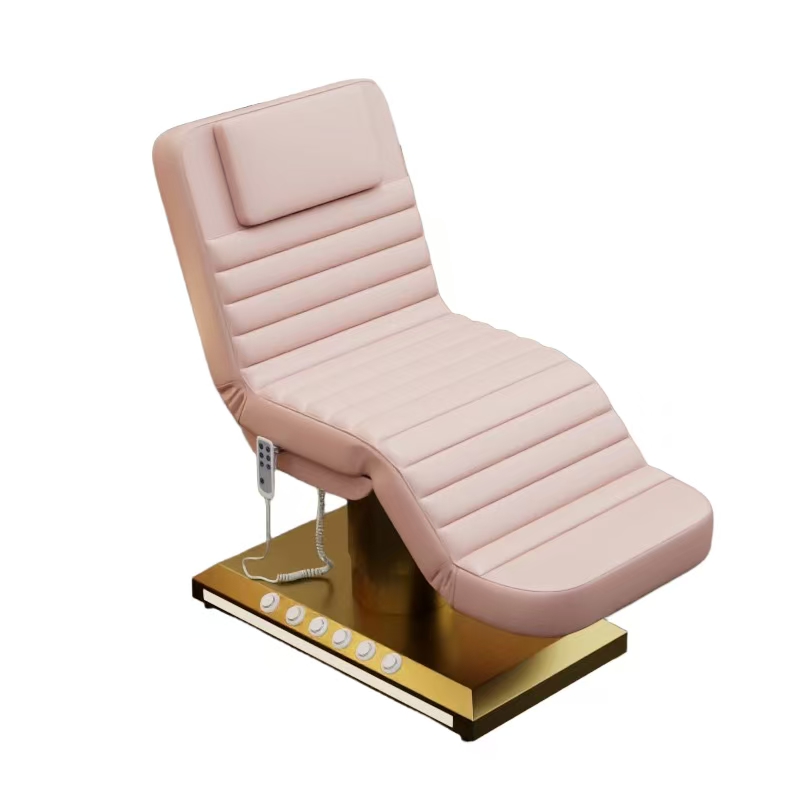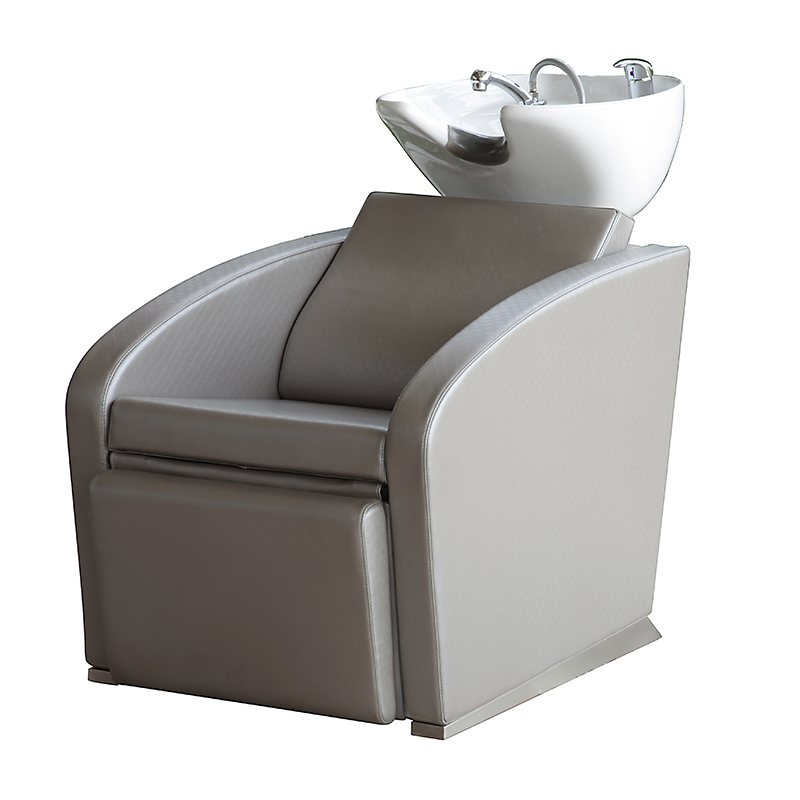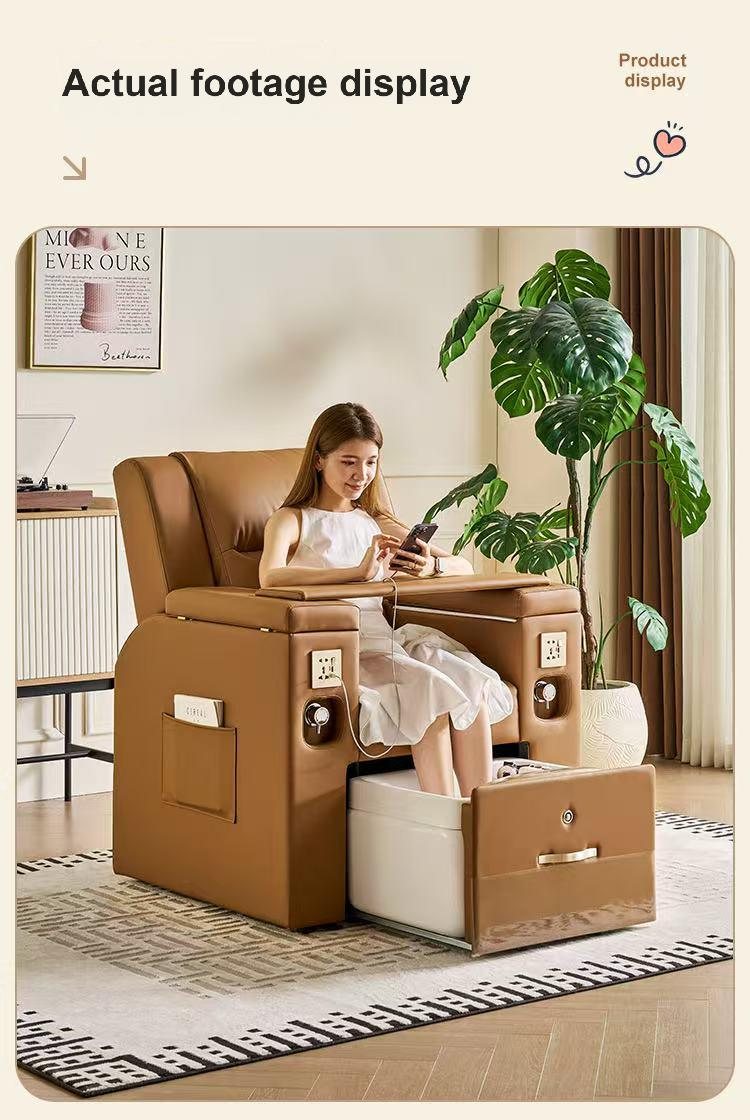
OEM & ODM
OEM Salon Furniture Supplier Guide
A buyer-focused framework for evaluating OEM salon furniture partners without confusing customization claims with verified product capability.

Define what OEM means for the planned order
OEM requests can range from selecting an upholstery color to applying a logo, changing labels, coordinating packaging or developing a more substantial configuration. Write down the exact change required, target market, quantity and launch schedule. A supplier that supports one type of customization should not automatically be assumed to support every type.
Keep OEM, private label and ODM discussions precise. Private label may focus on branding an existing suitable product, while a broader ODM project can involve design or configuration development. The quotation and approval record should state which parts remain standard, which parts change and who approves each change.
Evaluate product evidence before customization promises
Start with the underlying product. Confirm SKU identity, current images, dimensions, materials, visible construction, configuration and any installation requirements. If the base model is not sufficiently documented, adding a logo does not make the product commercially ready. Missing facts should remain pending through the evaluation.
Ask the supplier to separate verified capability from options that require review. Product-family experience can support a discussion, but model-specific dimensions, motors, controls, basins, accessories, packing, warranty and certification cannot be assumed across every salon furniture SKU.
Check the supplier and coordination model
Understand who coordinates the selected product, who carries out customization, who checks the approved result and who manages export documents. A sourcing or export partner may work with a supplier network rather than one factory. The buyer needs a clear responsibility chain, not an unsupported manufacturer label.
YIO’s published OEM and ODM process covers requirement review, product confirmation, sample or order review, quality coordination, packing and delivery support. Availability depends on the selected product, quantity and project. These steps should be converted into model-specific written approvals for the actual order.
Create a controlled customization specification
Use a numbered specification covering color reference, upholstery or finish, logo artwork, application position, labels, carton marks, model naming, included items and packaging requirements. Attach visual references and version dates. Avoid instructions such as same as sample unless the approved sample and its identifying record are preserved.
For each requested change, record confirmed, unavailable, alternative proposed or pending. Ask whether the change affects MOQ, price, lead time, packed size or serviceability. This makes it possible to approve changes without losing control of the original product identity. Protect branding files as controlled assets. Confirm that the buyer has the right to use submitted marks, identify which party stores artwork, and prevent unapproved changes to model names or labels. If photography will be used for a distributor catalog, agree which images represent the approved version and whether third-party supplier branding must be removed before publication. Keep the final artwork, placement proof and label version with the order record.
Use samples and approval evidence proportionately
A physical sample may be appropriate for a new product, new finish or distributor program, while a repeat order may use an approved reference and updated confirmation. Decide what evidence is required for the risk and quantity. Product photos, video and documents can support review, but they should be linked to the correct SKU and customization version.
The approval should show what was checked and what remains outside scope. If a matching stool, accessory or decorative component appears in an image, confirm whether it is included. If color accuracy is commercially important, agree on the reference and acceptable review method before production.
Define quality and change-control checkpoints
Set checkpoints before production, during order follow-up and before shipment according to the project risk. Confirm the agreed model and options before work begins. Record any substitution or change and require approval before it becomes part of the order. A final image alone is not a replacement for the approved specification.
Also define how an issue will be evidenced and handled. Photos, videos, component identification and packing records may be needed for evaluation. Warranty and spare-parts arrangements should be confirmed for the selected products rather than copied from a generic marketing statement.
Evaluate export readiness and long-term repeatability
For an international program, check packing data, carton marks, export documents, delivery scope and communication responsibility. A distributor also needs stable model identification and a process for confirming later changes. The first approved order should create records that can be reused and revalidated, not informal assumptions.
Choose an OEM partner on evidence quality, response clarity, controlled customization and repeatability—not only on the number of available designs. Send YIO the target product family, market, quantity, branding files and required changes to begin a documented feasibility and quotation review.
FAQ
Does OEM support mean every salon furniture model can be customized?
No. Available colors, branding, configurations and packaging options depend on the SKU, quantity and supplier confirmation.
What should an OEM customization specification include?
Include SKU, quantity, color reference, logo artwork and position, labels, carton marks, included items, packaging requirements, deadline and approval version.
Is a product image enough to approve an OEM order?
No. Images support visual review, but product identity, specifications, customization, included items and commercial terms should also be documented.
How should an OEM supplier be compared?
Compare verified product evidence, customization control, approval process, quality checkpoints, communication responsibility, packing and repeat-order stability.