Product Knowledge
Salon Furniture Maintenance Guide
An evidence-based maintenance framework for cleaning, inspection, issue records and replacement planning across salon furniture categories.
Build maintenance records by SKU and location
Create an equipment register with SKU, location, delivery date, approved configuration, supplier documents and responsible staff member. Attach current images and keep unresolved specification questions visible. Similar-looking products should remain separate because care instructions, moving sections, utilities and replaceable components may differ.
Record every inspection, issue, action and evidence date. A consistent history helps the salon identify repeated operating problems, communicate accurately with a supplier and plan replacements. For chains or distributors, it also prevents a maintenance observation from one model being applied automatically to an entire product family.
Follow model instructions and local operating rules
Use the current manufacturer or supplier guidance available for the exact model, together with local workplace, hygiene and electrical or plumbing requirements. This guide provides a planning framework, not a substitute for product manuals, trained service work or destination regulations.
When instructions are missing, request them rather than creating a procedure from another product. Mark the item pending and limit staff actions to safe routine care within their training. Repairs, electrical work, plumbing changes and internal mechanism work should be handled by appropriately qualified people.
Define a surface cleaning procedure
List the surfaces that contact clients, cosmetics, oils, water or cleaning products. Document the cleaning product, dilution, cloth or tool, responsible role and sequence used between appointments and at closing. Train staff to avoid soaking controls, openings or seams unless the exact model guidance permits it.
A generic material label does not establish resistance to every disinfectant or treatment product. Review available material and care information and test changes through an approved process. Record discoloration, cracking, residue, loose seams or unusual odor with dated photos rather than relying on memory.
Inspect structure, supports and moving sections
Create a visual and functional check appropriate to the model. Staff may observe stability, loose visible hardware, damaged upholstery, unusual movement, controls, supports and accessories without dismantling the product. Stop using furniture when a condition could affect safe operation and escalate it through the salon's issue process.
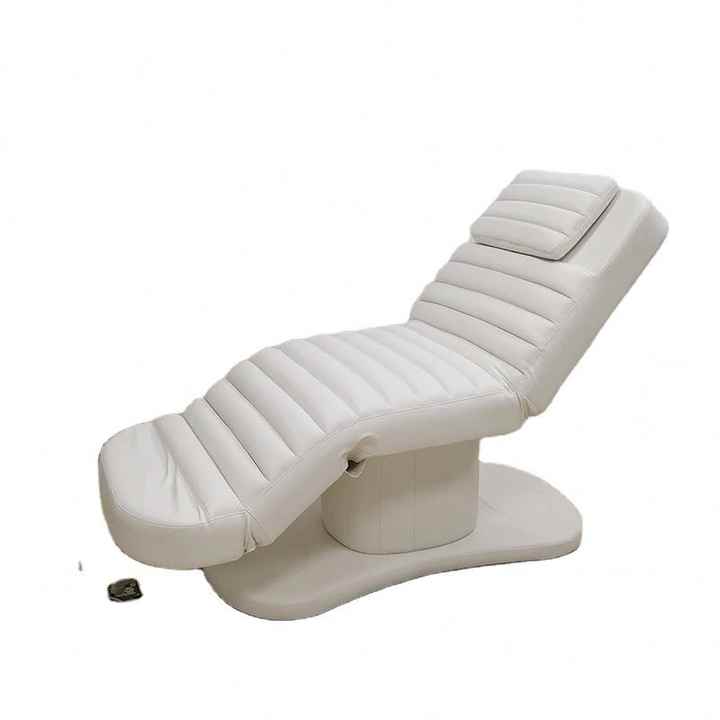
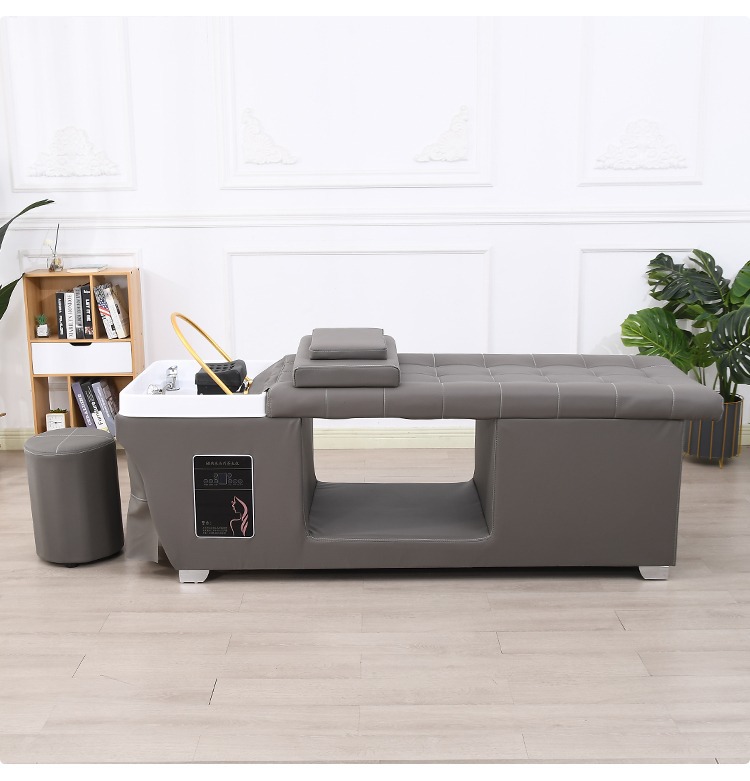
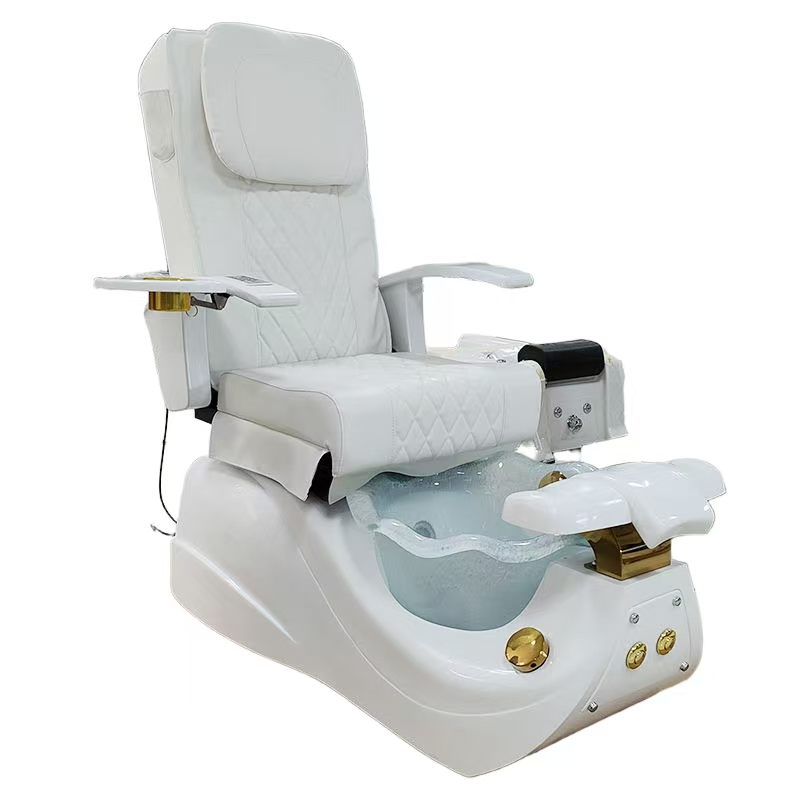
Adjustment methods vary across Beauty Beds, Shampoo Beds and Pedicure Spa Chairs and between SKUs. Do not assume the same motor count, mechanism, control or moving section. Use the exact model record to define permitted checks and professional service points, and document any change from normal behavior.
Manage water, drainage and electrical conditions carefully
Where equipment uses water, drainage or electricity, keep the surrounding area accessible for observation and approved service. Watch for visible leaks, damaged cables, unusual sound, heat, odor or inconsistent operation and follow the site's stop-use and escalation procedure. Do not improvise connection changes.
Utility requirements and component locations are model-specific. Keep installation evidence and local professional records with the SKU. If the product is relocated, changed or reinstalled, have the relevant requirements reviewed again instead of assuming the previous room's arrangement remains suitable.
Control accessories, linens and service tools
Track removable cushions, trays, hoses, controls or other included items against the approved product record. Store accessories to prevent damage and mixing between models. Review protective covers and linen practices so they support cleaning and client comfort without blocking controls or creating interference.
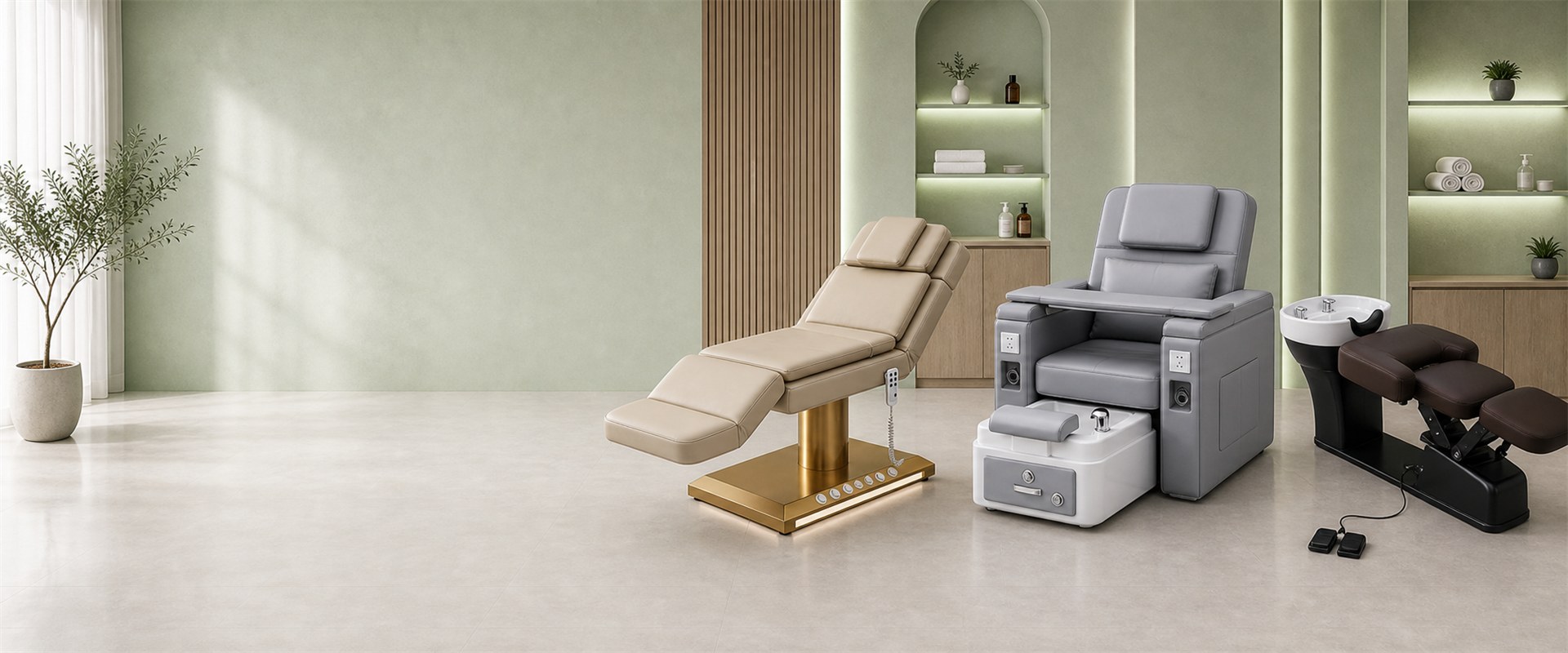
Scene photographs may show decorative or optional items that were not included in the order. Maintenance records should identify only the actual delivered configuration. If a replacement accessory is needed, confirm compatibility with the exact SKU rather than choosing by appearance alone.
Turn issues into replacement and purchasing evidence
Classify issues by safety, service interruption, appearance and recurring operating cost. Record the affected service, downtime, temporary action and final resolution. This helps the salon decide whether repair, replacement or a workflow change is commercially appropriate without making unsupported predictions about product life.
Use maintenance history when selecting future furniture. Compare room fit, cleaning observations, staff workflow, serviceability and supplier evidence alongside price and design. Send YIO the SKU, issue summary, dated images, location, quantity and replacement requirements for a model-specific review. Reliable maintenance connects daily care with better procurement decisions.
Review the register at planned business intervals and before a renovation, relocation or new order. Close completed issues, retain the evidence and identify items that require supplier clarification. A consistent record supports staff handover, reduces repeated diagnosis and gives purchasing teams a factual reason for keeping, replacing or changing a model.
When several locations use the same model, compare records without assuming identical conditions. Usage, cleaning products, site utilities and staff practices can differ. Note those differences before treating an issue as product-wide, and share only the evidence needed for a focused supplier or service review.
FAQ
How often should salon furniture be inspected?
Set intervals according to the exact model instructions, usage, local requirements and observed condition, with routine staff checks separated from qualified service work.
Can one cleaning procedure be used for all salon furniture?
No. Review the exact model's materials and care guidance and the salon's products before approving a cleaning procedure.
What should staff do when salon furniture behaves unusually?
Follow the site's stop-use and escalation procedure, record the condition and evidence, and use qualified support where repair or utility work is involved.
What information helps with a replacement inquiry?
Provide the SKU, current configuration, issue evidence, service use, room limits, quantity, destination and required project timing.